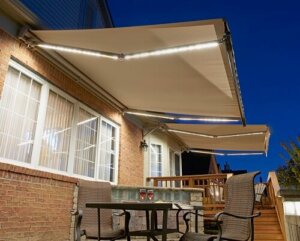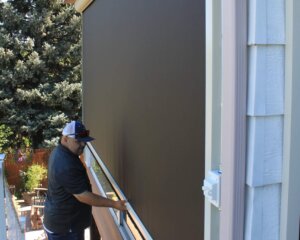

Most outdoor features need heavy winter prep as temperatures drop—but retractable awnings operate differently. When they’re installed correctly and built for Colorado’s climate, retractable awnings provide shade, comfort, and curb appeal through every season, including the coldest months of the year. You don’t need to “winterize” them the way you would patio furniture, irrigation systems, or seasonal décor. Instead, you simply use them with a bit of awareness and routine care.
Winter in Denver and across the Front Range brings a mix of bright sunshine, occasional heavy snow, fast temperature swings, and dry air. All of that affects how you use and care for your awning. With the right habits, you protect the fabric, preserve the mechanics, and enjoy your outdoor areas more comfortably year-round.
This guide walks you through what winter looks like for retractable awnings, how to use them safely, and what simple maintenance steps will keep your system performing well for years.
Why You Don’t Need to Fully “Winterize” a Retractable Awning
A retractable awning is one of the few outdoor shade structures that works with winter rather than shutting down because of it. Since you can retract the awning fully into its cassette, the fabric and arms stay protected from Colorado’s weather when you’re not using it. Unlike pergolas, shade sails, umbrellas, or even many exterior furniture fabrics, your awning stays shielded from long-term exposure.
That built-in protection is the reason you don’t have to remove the awning, wrap it in storage materials, or disassemble components every fall. Once the fabric is enclosed, the system naturally guards against UV exposure, snow accumulation, and wind. A high-quality full-cassette awning offers even more protection, sealing fabric and hardware inside a fully enclosed housing.
You get all the convenience of low-maintenance shade with none of the seasonal teardown—and that’s a major advantage for Colorado homeowners who want year-round comfort without seasonal labor.
Winter Weather Awareness: Snow, Moisture & Freezing Temperatures
Even though retractable awnings don’t require full winterization, you still need to be thoughtful about how you use them during colder months. Colorado winters are famously unpredictable—sunny and 60° one day, snowy the next. The awning can handle that variety as long as you operate it intentionally.
Snow is the biggest factor to keep in mind. Retractable awnings are shade structures, not snow-bearing structures. Even light accumulation creates weight on the fabric, which can strain the arms, loosen mounting hardware, or cause the fabric to sag. The solution is simple: keep the awning retracted when snow is in the forecast or already falling. Once the storm passes and your exterior is clear, you can extend it again.
Moisture is another consideration. If you happen to retract your awning while the fabric is wet, that’s perfectly safe in the short-term—modern fabrics resist mildew and hold up well in damp conditions. But you’ll always want to reopen the awning later when conditions dry out. Letting the fabric fully air-dry prevents long-term odor, discoloration, or creasing.
Freezing temperatures affect fabric flexibility and can make the material feel stiffer under tension. That’s normal. You’ll get the smoothest operation when you extend and retract the awning once temperatures warm up during the day, typically between late morning and early afternoon when winter sun peaks.
These small considerations give you confidence using your awning year-round without worry or unnecessary wear.
Recommended Use Habits for Winter
Safe, reliable winter use isn’t about complicated prep—it’s about forming a few simple habits that keep your awning in great shape.
Retract during storms or snowfall. Anytime snow or freezing rain is coming, keep the awning closed. This prevents buildup and protects the arms from unnecessary stress.
Avoid retracting it on very cold mornings. While the hardware is designed to withstand Colorado’s winter climate, extending the awning once the temperature has warmed up for the day protects the fabric and ensures smooth mechanical movement.
Keep the fabric dry when possible. If the awning closes while damp, reopen it later when the sun returns to allow proper drying.
Clear debris more regularly in fall and early winter. Wind can blow pine needles, leaves, and twigs onto the fabric. Even if the awning stays retracted most of the time, a quick brush-off when extended keeps the fabric in better shape.
Winter use works best when you think of the awning as an everyday convenience—not something fragile or seasonal—and simply operate it according to the weather.
Winter Maintenance: A Simple Once-Per-Season Checklist
Winter maintenance for retractable awnings should be quick and easy. Here’s a simple seasonal checklist you can follow:
- Brush off any dirt, leaves, or debris from the fabric.
- Check the front bar and arms for any visible buildup of dust or grime and wipe them gently with mild soap and water if needed.
- Make sure the mounting area is clear and unobstructed (especially if snow piled against the wall during storms).
This light upkeep helps the awning perform at its best and prevents small issues from developing over time. You don’t need harsh cleaners, lubricants, or intensive work—your awning is designed to stay low-maintenance, even in winter.
How a Retractable Awning Improves Cold-Weather Comfort
Winter may not be the season most people associate with awnings, but homeowners across the Denver metro find they’re surprisingly useful this time of year.
On sunny winter days—of which Denver has many—the lower sun angle shines directly into south- and west-facing windows. This can cause glare, overheated rooms, fading floors, and discomfort while you’re working, cooking, or relaxing.
Extending a retractable awning on these bright days helps manage that solar exposure. By shading the glass, you reduce the intensity of direct sunlight without darkening your space. It creates a more comfortable environment while still letting you enjoy the natural light Colorado is known for.
Some homeowners also pair retractable awnings with exterior solar screens for even stronger indoor comfort during winter. While screens filter sunlight, the awning diffuses high-intensity glare and blocks low-angle rays that hit hard through large windows.
The Colorado Advantage: Why Retractable Awnings Fit Our Climate
Colorado’s weather makes retractable awnings especially practical because we experience more sunshine than almost any other state—but also more variability.
Denver’s winter forecast might call for snow at 8 a.m. and clear blue sky by noon. A retractable awning adapts instantly to those changes. You can keep it closed through storms, then extend it comfortably as soon as the sky clears.
Our dry climate also means fabrics dry out quickly after winter moisture, and the increased sunshine allows homeowners to use the awning more often than people in wetter climates. Instead of being a summer-only feature, your awning becomes a year-round comfort tool that balances sunlight and glare whenever you need it.
Work With a Local Company That Understands Winter Use
Colorado homes—and Colorado weather—are different. That’s why working with a local company matters.
At Direct Awnings, we install retractable awnings built specifically for high-altitude sunlight, low humidity, shifting temperatures, and Denver’s combination of winter glare and occasional storms. We guide homeowners through fabric selection, mounting placement, frame styles, and cassette options to ensure every awning performs just as well in the winter as it does in July.
When you choose a high-quality retractable awning, you don’t have to take it down or baby it through cold weather. You simply use it with awareness, enjoy its comfort, and let it make your home feel more livable all year long.
If you want shade that works through every season—not just summer—our team can help you choose the perfect awning for your patio, deck, or windows.