
Installing a retractable awning is one of the most effective ways to convert an exposed back patio into an all-day outdoor living space. However, Denver’s high altitude, intense solar exposure, and sudden weather shifts require hardware and materials built to higher standards than average suburban patio shade systems. While navigating local building codes or HOA guidelines is essential before mounting any structure—as detailed in our guide on whether retractable awnings require a permit in Denver—evaluating the core engineering, fabric, and mechanical factors beforehand ensures your investment holds up for years.
1. Sun Exposure & Patio Orientation
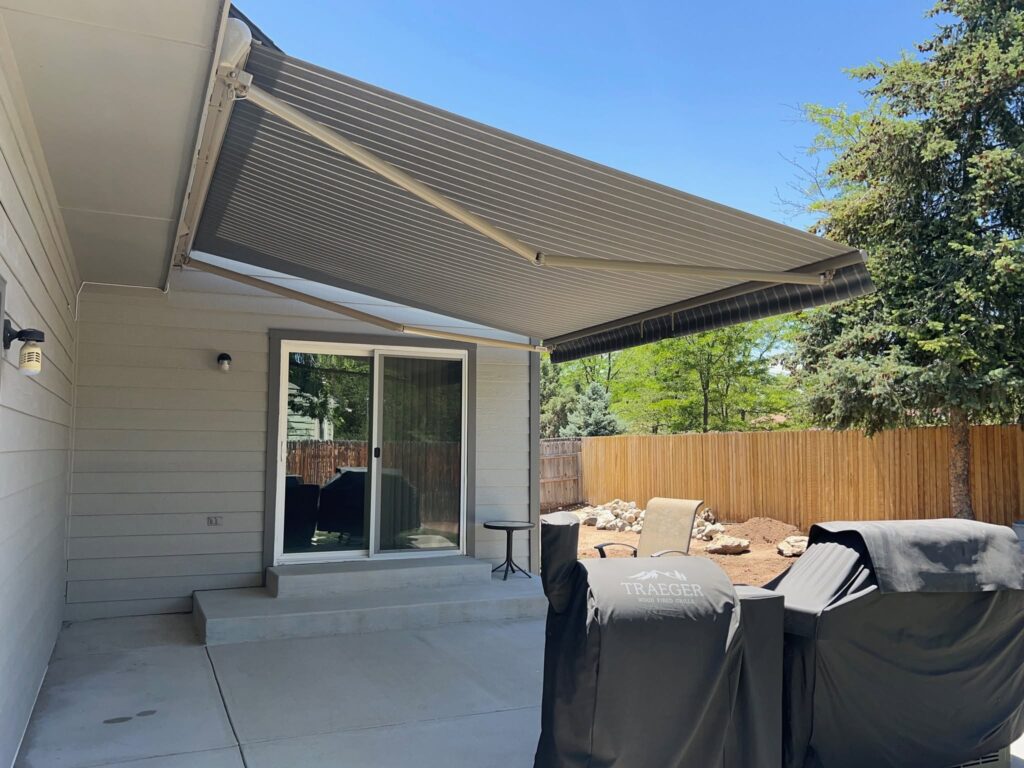
How your patio faces determines the projection width, angle, and additional shade accessories you will need to keep the space usable.
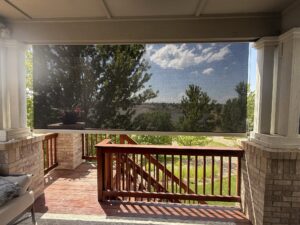
- West-Facing Patios: These spaces experience intense late-afternoon heat combined with low sun angles. Because direct sunlight drives underneath a standard horizontal awning as the sun sets, choose a unit with an adjustable pitch or pair the awning with a drop-down front shade screen to block low-angle glare.
- South-Facing Patios: South exposures endure high, continuous UV exposure throughout midday. Standard horizontal projection widths work well here, but picking maximum UV-rated fabrics is critical to prevent heat trapped directly beneath the frame.
- East & North-Facing Patios: These orientations require less depth for solar mitigation. Focus on lighter frame configurations aimed at rain protection and ambient temperature control rather than maximum projection.
2. High-Altitude Fabric Selection
At 5,280 feet, atmospheric UV radiation is significantly stronger than at sea level. Standard canvas or budget polyester will fade, stretch, and degrade within a few seasons.
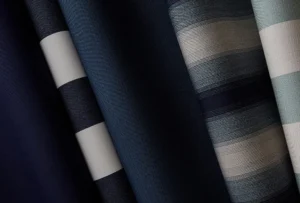
- Solution-Dyed Acrylic (Recommended): High-grade outdoor acrylics—such as industry-standard Sunbrella shade fabrics—infuse color pigments directly into the fiber core while the material is still liquid, rather than applying dye to the woven surface. This process prevents severe UV fading, holds up against moisture, and allows the fabric to breathe.
- Vinyl-Coated & PVC Fabrics: While completely waterproof, vinyl-coated options tend to trap heat underneath the awning and can degrade faster under persistent, direct high-altitude sun.
- Seam Construction & Thread Quality: An awning canopy is only as strong as its seams. Ensure the unit utilizes marine-grade, high-tensile outdoor thread designed for severe weather and long-term UV resistance. Lower-tier stitching can deteriorate under intense sunlight long before the main fabric loses its integrity, leading to premature seam separation.
3. Wind Mitigation & Smart Automation
Denver’s proximity to the Front Range brings sudden, powerful wind gusts down the mountains. Choosing the right structural frame and automated safety measures prevents costly storm damage.
- 35 MPH Structural Rating: Look for heavy-duty lateral arms built with forged aluminum elbow joints and internal stainless steel springs engineered to handle sudden local microbursts.
- 3D Motion & Wind Sensors: Wireless accelerometers mounted directly on the front lead bar measure real-time movement. If wind forces cause excessive vertical or horizontal oscillation, the sensor automatically signals the motor to retract the canvas.
- Manual Override Motors: Weather-related power outages often happen during major summer rainstorms. Select a motor equipped with an integrated manual crank loop so you can manually retract the awning if power cuts out suddenly.
4. Mounting Depth & Pitch Mechanics
Proper installation relies on adequate structural backing and correct drainage geometry.
- Mounting Clearance: Securing lateral arm brackets requires 8 to 10 inches of clear, unobstructed vertical space directly on structural wall studs, headers, or roof rafters.
- Pitch Drop: Maintain a minimum pitch drop of 3 inches per foot of projection (approximately a 14° angle). This slope ensures rainwater flows off the canvas continuously instead of pooling in the center, which can stretch the fabric or bend the lateral arms.
Choosing the right retractable awning comes down to matching your patio’s specific orientation with materials built for Denver’s unique climate. By prioritizing high-UV fabrics, robust wind sensor automation, and proper pitch mechanics, you ensure your outdoor space remains comfortable and protected for years to come.
Ready to transform your patio? Reach out to our Denver-based team to discuss custom shade options or schedule an appointment to get your project started.